

Picamoixons is a Decentralised Municipal Entity (EMD) within the municipality of Valls.
The village is closely linked to the railway line connecting Lleida with Reus and Tarragona, built between 1856 and 1879, which crosses the municipal area via the Roixel·la iron bridge (1860). In 1883, this line was connected to the Barcelona–Lleida railway line, passing through Vilanova and Valls.
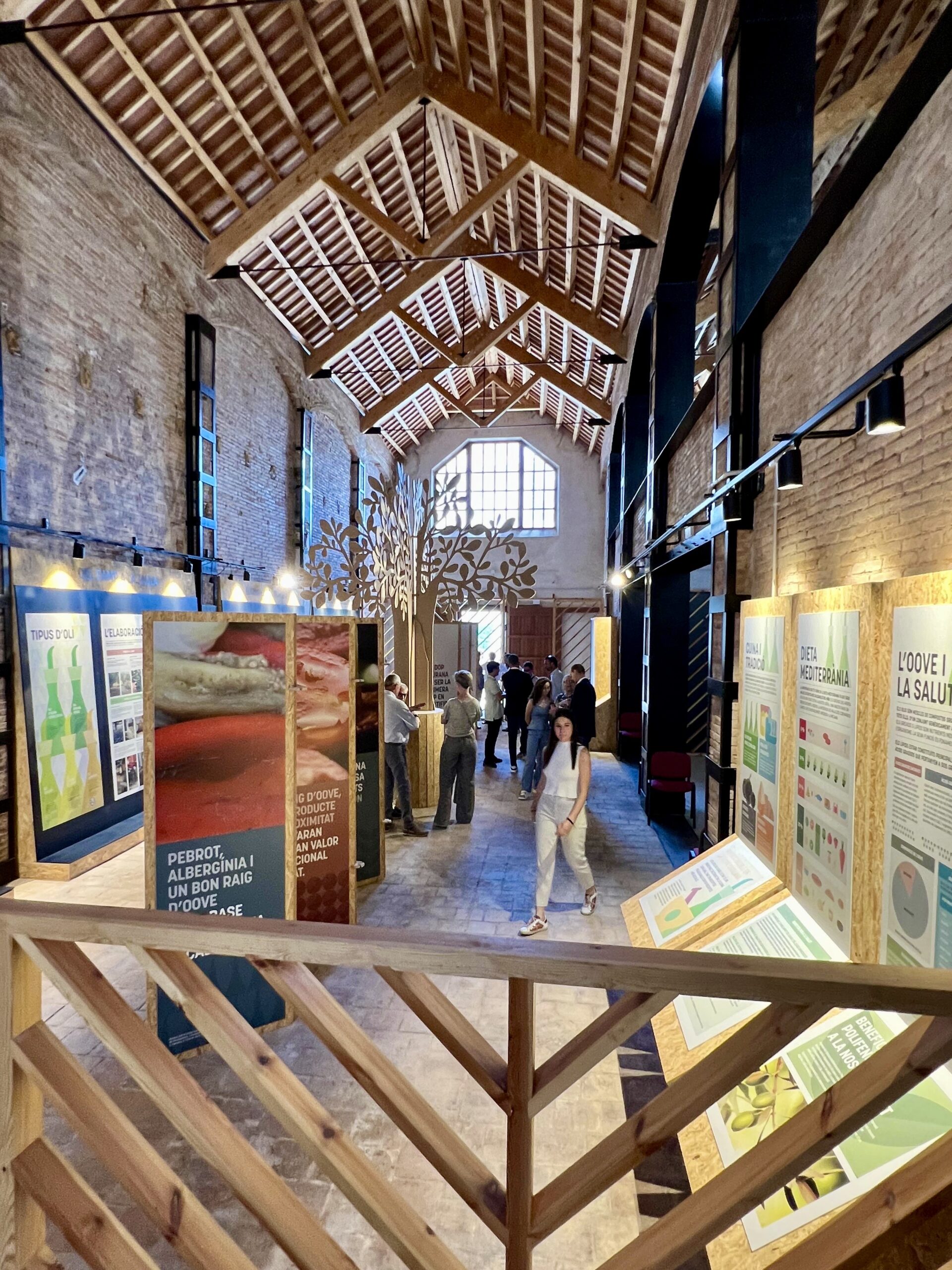
In the village, you can visit Ca l’Orga, which currently houses the EMD offices. We recommend sitting on one of the benches in its garden and enjoying the views. You can also visit the Picamoixons Olive Oil Interpretation Centre (CIOP), where you can discover the history and development of olive cultivation, as well as the traditional olive oil production process, using stone mills and cofins (traditional pressing mats), through to today’s industrial production systems.
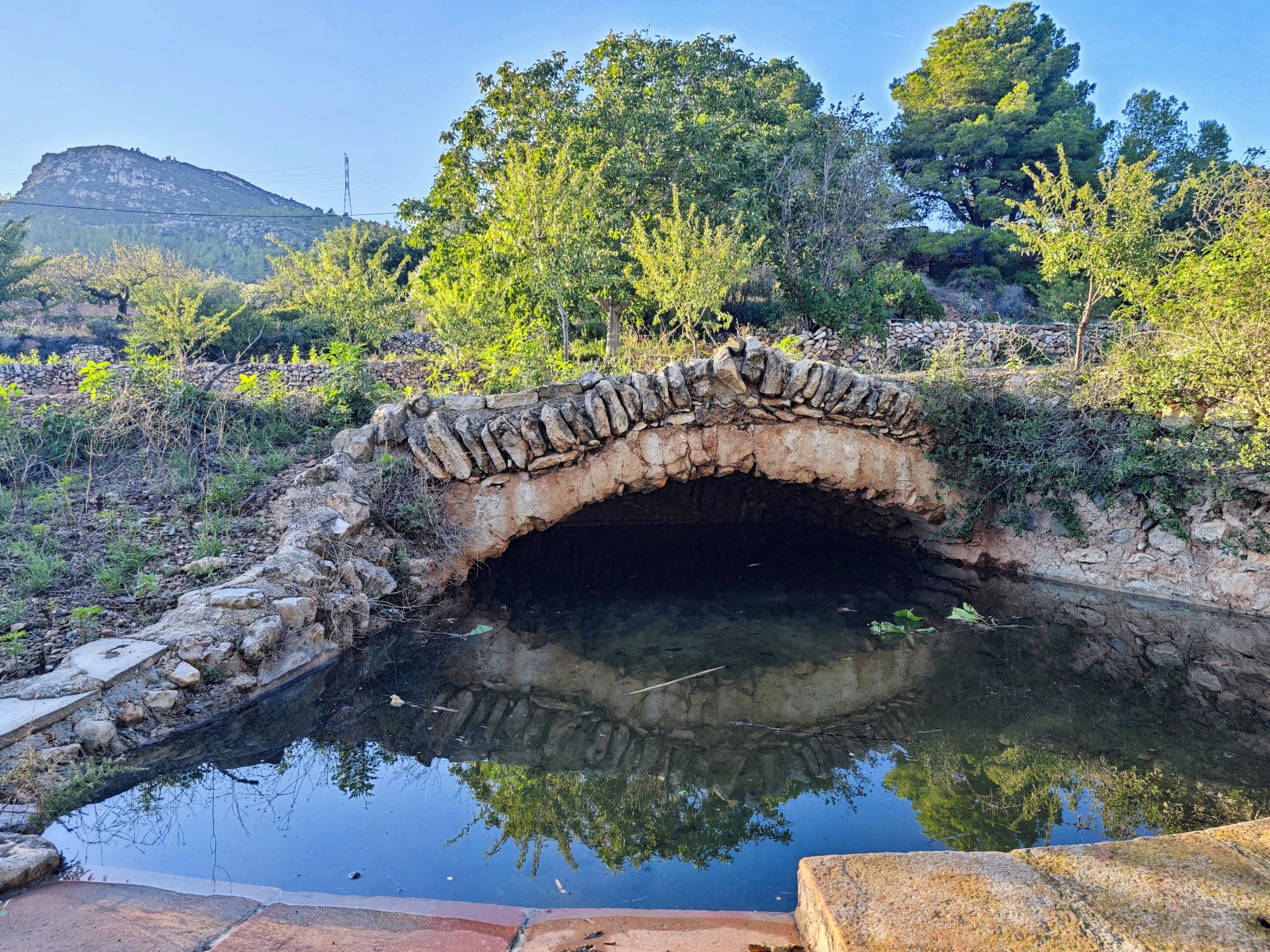
As you stroll through the village, you will come across the Olive Oil Monument, a reminder that this activity is an important part of Picamoixons’ history and identity. Walking through its streets, you will also discover an old water reservoir and a water tank, which have been adapted into a visitor space and exhibition area showcasing the work of the village’s local associations.
Near Ca l’Orga, you will find the Casal, a social and leisure centre that also serves as a meeting place for local associations and residents.
One of the most traditional excursions is the climb to the Tower of Puig Cabré from the Picamoixons side, known by local residents as Torre d’en Petrol. If you prefer a shorter walk, we recommend strolling around the place where the nativity scene used to be staged, next to the well-known Puató fountain.
A short distance from the village, there is a Palaeolithic archaeological site, dating specifically from the Pleistocene, which demonstrates that humans were already present very close to the current village settlement during that period.